MYCORRHIZAL SYMBIOSIS DEFINITION

MYCORRHIZAL SYMBIOSIS DEFINITION


The terms symbiotic and mutualistic have been used interchangeably to describe mycorrhizal associations. Symbiosis was originally used to define both lichens and parasites, but many scientists now use this term to describe beneficial associations only. Fungal symbioses have been defined as ‘all associations where fungi come into contact with living host from which they obtain, in a variety of ways, either metabolites or nutrients’. However, this definition excludes associations of myco-heterotrophic plants that are entirelysupported by a fungus. Only the broadest definition of symbiosis (e.g. ‘living together of two or moreorganisms’) applies universally to mycorrhizal associations.


THE TERM OF MYCORRHIZA


The term mycorrhiza (meaning fungus-root) was originated by Frank (1885), who was fairly certain that these symbiotic plant-fungus associations were required for the nutrition of both partners. More recently, mycorrhizas have been defined as associations between fungal hyphae and organs of higher plants concerned with absorption of sub stances from the soil. Broader definitions have also been published, but are of little value as they do not exclude pathogenic associations. Mycorrhizas are now considered to differ primarily from other plant-fungus associations because they are intimate associations with a specialised interface whereexchange of materials occurs between living cells.


MOST MYCORRHIZAS OCCUR IN ROOTS


Most mycorrhizas occur in roots, which evolved to house fungi, but they also occur in the subterranean stems of certain plants and the thallus of bryophytes. Pathogenic associations also involve intimate plant-fungus contact, but differ from mycorrhizas because they lack fungus to plant nutrient transfer, and are highly detrimental to their host plants – resulting in disease symptoms. Pathogenic fungi are typically not specialised for efficient mineral nutrient acquisition from soil. A new, broader definition of mycorrhizas that embraces the full diversity of mycorrhizas while excluding all other plant-fungus associations is presented here.

DEFINITON OF MYCORRHIZA


Definition of Mycorrhiza is a symbiotic association essential for one or both partners, between a fungus (specialised for life in soils and plants) and a root (or other substrate-contacting organ) of a living plant, that is primarily responsible for nutrient transfer. Mycorrhizas occur in a specialised plant organ where intimate contact results from synchronised plant-fungus development.


THE IMPORTANCE OF FUNGI | Fungi play a major role in a number of foods and Some molds produce antibiotics.

The Importance of Fungi. 


Fungi break down complex animal and plant matter into simple compounds. This process of decomposition enriches the soil and makes essential substances available to plants in a form they can use. Through decomposition, fungi also return carbon dioxide to the atmosphere, where green plants reuse it to make food.


Fungi play a major role in a number of foods. 


For example, mushrooms and truffles are considered delicacies by many people. Cheese manufacturers add molds to Camembert and Roquefort cheeses to ripen them and provide their distinctive flavors. Yeasts cause the fermentation that produces alcoholic beverages. In the fermentation process, yeasts break down sugar into carbon dioxide and alcohol. Baker's yeast causes bread to rise by producing carbon dioxide from the carbohydrates in the dough. The carbon dioxide gas bubbles up through the dough and causes it to rise. Someday, yeasts may become an important new source of food. Some people already eat yeasts as a rich source of protein and B vitamins.


Fungsi Pictures

Some molds produce important drugs called antibiotics. 


Antibiotics weaken or destroy bacteria and other organisms that cause disease. Penicillin, the first and most important antibiotic, was discovered in 1928 by Sir Alexander Fleming, a British bacteriologist. Penicillium notatum is one of several green molds that produce penicillin, which physicians use in treating many diseases caused by bacteria.

Penicillin is a powerful drug used to treat infections caused by bacteria. It was the first antibiotic (drug produced by microbes) used successfully to treat serious diseases in human beings. Sir Alexander Fleming, a British scientist, discovered penicillin in 1928. Various forms of the drug, called penicillins, have become widely available for medical use since the mid-1940's. Penicillins have played a major role in treating pneumonia, rheumatic fever, scarlet fever, and other diseases. The development of penicillins had a tremendous impact on medicine and encouraged research that led to the discovery of many other antibiotics.

Tree Damage by Fungi

Some fungi cause great damage. 


Parasitic fungi destroy many crops and other plants. Important parasitic fungi that attack plants include mildews, rusts, and smuts. Others produce diseases in animals and people. Some mushrooms are poisonous and can cause serious illness or death if eaten. Molds spoil many kinds of food. In damp climates, mildews and other fungi can ruin clothing, bookbindings, and other materials. Fungi may also cause wood to decay or rot.

FUNGI DEFINITION | Fungi are organisms that lack chlorophyll.

FUNGI DEFINITION

Definition of Fungi are organisms that lack chlorophyll, the green coloring matter that many plants use to make food. Fungi cannot make their own food. Instead, they absorb food from their surroundings. There are over 70,000 species of fungi. Yeasts and other one-celled fungi are too small to be seen without a microscope. But most types can be seen with the unaided eye. Some of the most common fungi include mildews, molds, mushrooms, and plant rusts.

 Fungi Pictures


Fungi structure : Parts of a fungus. 

Fungi structure Except for yeasts and other one-celled fungi, the main part of a fungus consists of thousands of threadlike cells called hyphae. These tiny, branching cells form a tangled mass called a mycelium. In many kinds of fungi, the mycelium grows beneath the surface of the material on which the organism is feeding. For example, the mycelium of a mushroom often grows just beneath the surface of the soil. The umbrella-shaped growth known as a mushroom is actually the fruiting body of the fungus. The fruiting body produces cells called spores, which develop into new hyphae. Spores are smaller and simpler than the seeds of plants, but both enable an organism to reproduce.

Some bread molds and microscopic species of fungi bear spores in tiny structures called sporangia. In black bread mold, the sporangia form at the tips of upright hyphae called sporangiophores. Other hyphae called stolons spread over the surface of the bread. They are anchored by rhizoids (rootlike structures). Groups of sporangia usually form above the rhizoids.

Fungi Pictures

Fungi characteristics How a fungus lives. 

Fungi characteristics  Fungi live almost everywhere on land and in water. Some fungi are parasites that feed on living plants and animals. Other fungi, called saprophytes, live on decaying matter. Still other fungi live together with other organisms in ways that are mutually beneficial. Such a relationship is called symbiotic. For example, a fungus and an organism called an alga may live together symbiotically to form a lichen. Some fungi also live with the roots of plants in a symbiotic relationship known as a mycorrhiza. The fungus takes carbohydrates from the plant. In return, the fungus helps supply the plant with water and such important minerals as phosphorus, potassium, iron, copper, and zinc. Most species of trees, shrubs, and herbs have mycorrhizal relationships with fungi.


Mycorrhiza is the symbiotic association of the mycelium of certain fungi with the roots of certain higher plants,living in close relationship with the surface cells. Ex. It is possible with many, if not all, species of plant which normally form mycorrhizas in natural conditions to grow them in artificial surroundings without their appropriate fungi.

Fungi cannot produce their own food because they do not contain chlorophyll. They take carbohydrates, proteins, and other nutrients from the animals, plants, or decaying matter on which they live. Fungi discharge chemicals called enzymes into the material on which they feed. The enzymes break down complex carbohydrates and proteins into simple compounds that the hyphae can absorb.

Fungi Pictures

Types of Fungi.


Most kinds of fungi reproduce by forming spores. Some spores are produced by the union of gametes (sex cells). Others, called asexual or imperfect spores, are produced without the union of gametes. Many fungi produce spores both sexually and asexually. Many spores are scattered by the wind, and others are transported by water or by animals. Mushrooms and some other fungi forcefully discharge their spores. A spore that lands in a favorable location germinates (starts to grow) and eventually produces a new mycelium.

Types of Fungi. Yeasts can reproduce by forming spores, but many kinds of yeasts reproduce by budding. When a yeast buds, a bulge forms on the cell. A cell wall grows and separates the bud from the original yeast cell. The bud then develops into a new cell. Budding produces a large number of yeast cells rapidly.

XINGU TRIBE IN THE MIDDLE AMAZON RAIN FOREST

Amazon forest is one of the world's tropical forests in the Americas. Amazon Tropical Rainforest is the largest tropical forest in the world with a measure of 5.2 million km2. Around two-thirds of the Amazon tropical rain forest in Brazil, most of these forests include several countries namely Bolivia, Peru, Ecuador, Colombia, and Venezuela.

Amazon forest has a variety of flora and fauna as well as have high biodiversitas. The Canopy height measuring between 20-50 m, this is starta trees on top. All Species in the amount of trees per hectare can be found more than 280 species of trees. In addition to a diverse variety of flora are also various special fauna of the Amazon jungle.

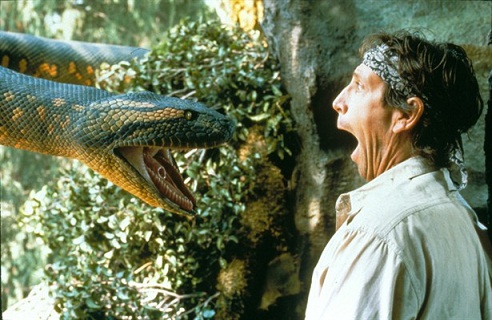
In the Amazon jungle there is a large and long river named as forested namely the Amazon River. River of life around a giant snake named "Anaconda Snake" can reach a length of 9 meters. In the cinema shown that these snakes prey on humans by means of wind up helpless prey and swallow it.


ular anakonda


But the more interesting thing in the middle of the Amazon jungle there Xingu tribe who still live without the use of clothing. Although their lives using the technology but the culture and characteristic of this tribe still preserved.


Their day-to-day life are using advanced technology such as television, parabolic, and so forth but still no use clothing as their native culture.

Some read using glasses for blurred vision had begun. This shows that they already know and using equipment such as befits the modern man.

The ceremonies performed XINGU tribe as customs and traditions continue to be preserved and conserved.


suku xingu amazon

Body tribe in the Amazon jungle is tinged with a wide range of traditional tools and materials. According to their body color is a way to give them the differences between animals, that they profess belief.

Young woman with her legs must be marked using the tools and carded to remove the blood.


To reach the location of their residence should use aircraft or even pass the river far enough.
That glimpse XINGU tribe living in the middle of the Amazon tropical rain forest. They still keep their styles and traditions of their lives, as a unique case received much attention various media and is the subject of interest to the tourist.

Read Also :

EQUAL CHANCE AND DISPERSAL LIMITATION OF TROPICAL FOREST COMMUNITIES


The equal chance or null community hypothesis is based on the idea that all species are equivalent in terms of their habitat requirements and growth rates, and therefore that every species has an equal chance of inhabiting openings as they become available in the forest.

Basically this hypothesis suggests that local diversity is based on the number of species contributing seeds in the local area, and that tree replacement occurs via random chance. Recent modelling studies indicate that simple null models of tropical forest communities can retain very high species diversity over long periods of time.

Although species in such a null community eventually go extinct via a ‘random walk’ process, the time to extinction is sufficiently long that speciation may act to add new species to the system. For such a null community to maintain very high levels of diversity, one more kind of process is also generally required : namely "dispersal limitation", which refers to the fact that seeds of a given species do not germinate in all possible sites that could potentially be occupied by that species.

The result of dispersal limitation is that many species fail to encounter one another. If dispersal limitation is sufficiently strong, competitive exclusion can be avoided entirely. Recent studies have shown that the absence of plant species at a given site is in fact commonly due to a lack of seed dispersal rather than their inability to compete in that particular area.

TROPICAL DEFORESTATION | Conservation And Sustainable Management Of Tropical Forests


Greatly refined estimates of tropical deforestation have recently been obtained through analyses of changes in forest cover in satellite images. For example, analyses of Landsat imagery covering the Brazilian Amazon indicated an increase in deforested area of 78.000 km2 in 1978 to 230.000 km2 in 1988, or a loss of approximately 6% of the total forested area. Tropical deforestation rates vary greatly across geographic regions, and have shown marked swings over the last decades. Through the 1980s the highest deforestation rates were observed in southeast Asia, but more recently deforestation has shifted to the neotropics and Africa.

In addition to the outright removal of forest, tropical deforestation also acts to fragment landscapes, a pattern of great conservation concern. Tropical forest fragments offer an insufficient amount of habitat for many larger or wide-ranging species of animals, and forest fragments can be seriously degraded by decreased humidity and high wind exposure near edges.

The internal fragmentation of tropical forests caused by selective logging is also a major concern. Studies suggest that low-intensity logging can allow for recovery of primary forest conditions within a couple of decades; however, heavy logging requires a much longer recovery period, and some highly degraded forests may not be able to approach pre-harvest conditions even after hundreds of years.

In many regions construction of logging roads makes forested areas far more accessible to those interested in further exploitation such as subsistence farmers, hunters and fuelwood gatherers. For example, when a commercial logger leaves the concession, subsistence farmers are able to penetrate deeper into the forest than would have previously been the case. Post-logging forest use is becoming increasingly intense due to high population growth rates in many tropical countries.

One partial answer to these difficulties is development of sustainable forestry practices in combination with improved conservation of remaining tropical forests. "Natural forest management" in which gap phase dynamics is emulated by harvesting has been advocated as a means of mitigating losses of diversity and ecosystem function while allowing continued timber harvests. Alternative harvesting practices, such as planning of harvest areas and skid trails, tree marking and directional felling, can be used to reduce the residual impacts of the harvest. Recent studies suggest that such reduced-impact logging in tropical forests can dramatically reduce post-harvest tree mortality. This results in greater retention of forest biomass, increased long-term value of the forest in terms of timber commodities, and more rapid recovery of pre-harvest forest conditions.

GAP PHASE DYNAMICS IN TROPICAL FOREST

Gap phase dynamics has been hypothesized to play an important role in the maintenance of high diversity in the tropics. When one or a few trees die, an opening in the canopy occurs, resulting in increases in light levels and other plant resources. Seedlings and saplings grow rapidly in gaps, competing for these resources; only one canopy tree ultimately will be able to occupy the space relinquished by the original gap-forming tree.


For gap phase dynamics to contribute to species diversity, one must assume that there are differences in resources (light, nutrients, etc.) associated with different parts of the gap (i.e. gap edge or
centre), and that different species are adapted to these differences. Such a pattern is referred to as "gap partitioning".


Larger gaps are expected to contain greater resource heterogeneity than smaller gaps, and thus should show higher diversity of regenerating trees. This hypothesis was recently tested by Stephen Hubbell and co-workers using data from a 50-ha mapped forest plot on Barro Colorado Island in Panama. Although gap sites were found to have greater species diversity of saplings, this was due entirely to higher stem density in the gap sites. The number of species encountered per stem did not differ between gap and nongap sites. Thus, recent evidence suggests that gap phase dynamics may not be the major mechanism for maintaining diversity in tropical forests. There is, however, clear evidence for important niche differences in tropical trees related to soil types and forest hydrology.

ALTERNATIVE MECHANISMS FOR MAINTAINING DIVERSITY | Equilibrium versus non-equilibrium hypotheses


Although climatic changes in the Pleistocene are clearly relevant to the problem of the origin of tropical diversity, one is still left with the problem of the ‘maintenance’ of diversity: that is, how do so many species manage to coexist, and why do not one or a few species out-compete the others?

Many hypotheses for the maintenance of tropical diversity have been proposed, although researchers have yet to reach a unified conclusion. There are two main lines of thought regarding mechanisms: namely, equilibrium and non-equilibrium hypotheses. According to the equilibrium viewpoint, forests are relatively stable in their species composition such that species are highly adapted to suit the particular environment in which they have evolved. Forest species composition is considered a facet of past and present competition among species.


Equilibrium hypotheses also assume that after some perturbation the forest will return to this pre-defined species composition given adequate time. Non-equilibrium hypotheses, on the other hand, view species as having more generalist tendencies and niche requirements. Non-equilibrium hypotheses assume that species diversity is maintained through disturbance and chance events, and that species composition is in constant flux. According to the non-equilibrium view, species exist in guilds that share similar resource requirements and are more or less interchangeable within the guild.

PLEISTOCENE REFUGIA | another important factor favouring high tropical diversity


Another important factor favouring high tropical diversity is the relative stability of these areas over geological time.

Large expanses of the temperate and boreal zones were covered in ice during the latest glacial maximum, only 10 500 years ago.

Glaciation contributed directly to the extinction of many species at high latitudes, and there has been a much shorter time period over which speciation could potentially occur following glacial retreat.

Tropical forests also experienced climatic changes during the Pleistocene, mainly involving decreased precipitation and changes in sea level. In many tropical regions forests were reduced to small island-like regions called refugia.

These areas now often show particularly high levels of both species diversity and endemism. Examples of important glacial refugia include the foothills and eastern slopes of the Andes, the Choco region of Colombia, and the Mt Cameroon region in Cameroon, West Africa.

NICHE DIFFERENTIATION IN TROPICAL FOREST


Equilibrium hypotheses for the maintenance of tropical diversity generally invoke some form of niche differentiation. This hypothesis is based upon the idea that ecologically similar species are unable to coexist unless they have developed different patterns of habitat distribution and/or resource use. Within this framework, the more specialized the resource requirements of each species are, the more species can be packed into a given habitat. Niche differences among tropical animals are generally related to the type of food resources utilized, or spatial or temporal differences in habitat use.

For example, otherwise ecologically similar animals can differ in terms of height of activity in the canopy, or the time of day they are active. In contrast, all plant species utilize essentially the same set of basic resources, namely: light, water, carbon dioxide, physical space, and nutrients such as nitrogen, phosphorus and potassium.

However, plant species can differ in terms of more subtle ecological characteristics, such as the efficiency of resource use, tolerance of physiological stress, or dependence on specific pollinators, seed-dispersers or root symbionts. Many studies of tropical forest trees have emphasized differences in the "regeneration niche", or the resources and conditions required by seedlings and saplings to successfully establish in the forest. An important distinction is made between ‘pioneer’ tree species that can grow rapidly in large canopy openings or cleared areas, and "late-successional" or "primary forest" tree species that can establish under low light conditions in the understorey. Other kinds of niche differences among tropical trees include ‘structural niche’ differences related to the size reached by adult trees, and differences in ‘habitat preference’ related to soil characteristics and hydrology.

CLIMATE AND BIOLOGICAL PRODUCTIVITY OF THE TROPICS


The warm, wet, and relatively aseasonal climate of the tropics is apparently more favourable for maintaining higher diversity than anywhere else in the world. But why is this the case? One simple idea is that the high solar energy inputs and productivity of tropical regions result in greater numbers of species that can be supported energetically.


However, it is not entirely clear why a small number, or even one species, could not monopolize most or all of the incoming solar energy. Another idea is that climate stability is the main factor promoting species diversification and coexistence. In the harsher temperate and polar regions, species must be able to tolerate drastic fluctuations in seasonal temperatures. Species occurring in habitats nearer the poles are therefore adapted to a wider range of local environments in order to survive the winter months.

As a consequence, one expects a narrower range of adaptation to environmental conditions and narrower latitudinal and altitudinal distributions in the tropics, a hypothesis sometimes referred to as ‘Rapoport’s rule’. The more limited ranges of species in the tropics may allow for greater ‘species packing’ compared to temperate or boreal regions.

Although this idea has received much research attention, recent analyses give only equivocal support, at best, for Rapoport’s rule. On the other hand, it is clear that the relatively aseasonal nature of tropical rain forests allows for the evolution of highly varied and complex species interactions. This complexity itself contributes to the overall species diversity found in the tropics. For example, "dependent" ecological forms, such as specialist herbivores or predators, only persist in the community if their host species is present.

SPECIES DIVERSITY RICHNESS SOFTWARE FREE DOWNLOAD

Description

Species Richness and Diversity IV is a program where you can use the latest methods to gain insights into your data.
SDR gives you a powerful suite of proven methods including some of the most exciting methods in modern ecology.
With SDR, you can use all these methods, simply, quickly and easily.
With SDR you can explore multiple indices in a fraction of a second, compare the diversity or richness of any two samples, produce high quality graphics and discover patterns in your data. SDR is the tool that unlocks your data
  • Rate:
  • Release Date:09/18/2011
  • License:Shareware
  • Category:Utilities
To free download a trial version of Species Richness and Diversity IV, click here
To buy software Species Richness and Diversity IV, click here
To visit developer homepage of Species Richness and Diversity IV, click here


Species Diversity & Richness (SDR)

Latest version 4.1.2


Price: £74.00 + postage/VAT

How to buy SDR
Update History/Upgrades
Download demo version
Download PDF manual

SPECIAL OFFER! - Purchase SDR, and get the Powerpoint Lecture CD "An Introduction to Species Diversity & Richness" for only at £12.

Species Richness and Diversity IV 4. 1. 2002

Species Richness and Diversity IV is a program where you can use the latest methods to gain insights into your data. SDR gives you a powerful suite of proven methods including some of the most exciting methods in modern ecology. With SDR, you can use all these methods, simply, quickly and easily. With SDR you can explore multiple indices in a fraction of a second, compare the diversity or richness of any two samples, produce high quality graphics and discover patterns in your data. SDR is the tool that unlocks your data

Species Richness and Diversity IV 4. 1. 2002 Utilities software developed by PISCES Conservation Ltd. The license of this utilities software is shareware, the price is $118.76, you can free download and get a free trial before you buy a registration or license. Do not use warez version, crack, serial numbers, registration codes, pirate key for this utilities software Species Richness and Diversity IV. If you want to get a full and unlimited version of Species Richness and Diversity IV, you should buy from original publisher PISCES Conservation Ltd. 


SPECIES DIVERSITY | Tropical Rain Forests Are More Biologically Diverse

Tropical rain forests are more biologically diverse than any other biome, lying at the extreme of a latitudinal diversity gradient that extends from the poles to the tropics. High species diversity in tropical forests is perhaps most impressively illustrated by the results of surveys of insects obtained using canopy fogging with broad-spectrum insecticides. 


A landmark study by Terry Erwin sampled the canopy of a single Luehea seemannii tree in Panama, finding 163 species of beetles (Coleoptera) co-occurring in this one tree. Through a series of extrapolations (based on estimates of the total number of world tree species and the proportion of insect species comprised of beetles), Erwin estimated that there may be 30 million species of insects occurring in the tropical forests of the world. This figure implies that 495% of the earth’s species remain to be described. 

While more recent sampling efforts have tended to yield lower estimates of tropical insect diversity, there are conservatively between 5 and 10 million species. This quantity is 5-to 10-fold greater than all species described to date. Thus, while tropical forests occupy only 7% of the earth’s land surface they are thought to contain over half of all of the species on the planet. The idea that species diversity of tropical animals (which are mostly insects) is a simple function of the number of plant species also implies that any effort to explain tropical diversity in general must, first and foremost, address the problem of the origin and maintenance of plant diversity.

HISTORICAL IMPORTANCE OF TROPICAL FORESTS IN BIOLOGY

Tropical forests have played a central role in the conceptual development of biology from the time of the major biological expeditions that began at the close of the eighteenth century.

Alexander Von Humbolt initiated the study of plant ecology on his voyages through South America in the early nineteenth century. While climbing Mount Chimborazo in the Andes, Von Humbolt characterized the vegetation changes with climate as he ascended. These early observations on plant distributions provided the foundation of the field of biogeography. The most significant development in biological thinking inspired by tropical forests was the theory of evolution by natural selection. Charles Darwin and Alfred Russel Wallace independently derived this theory as a result of their scientific voyages in the tropics during the mid nineteenth century. Darwin’s inspiration was his exploration of various parts of South America as the naturalist aboard the Beagle beginning in 1831.


Wallace conducted expeditions in both South America (1848–1852) and the Malay Archipelago (1854–1862), where he characterized two sets of fauna distinct to the different parts of the archipelago, a division now known as Wallace’s Line. For both Darwin and Wallace, the high diversity of species in the tropics, and particularly patterns of diversification associated with island groups, allowed an appreciation of evolutionary relationships not apparent in the poorer faunas of the temperate zone. The high diversity of the tropics continues to be an important inspiration and testing ground for ideas in biology, particularly in the fields of ecology and evolutionary biology.

LOWLAND EVERGREEN RAIN FORESTS

The tall, lush evergreen forests envisioned by most when referring to tropical forests are lowland evergreen rain forests. These forests are characterized by canopies with multiple layers of vegetation and the presence of large canopy emergent trees. Lowland evergreen rain forests generally have very high species diversity, with over 1000 tree species per square kilometre found in the richest forests of Amazonia and southeast Asia. Canopy and emergent trees in lowland evergreen forests often have large spreading crowns with a radius of >20m at maturity, can grow to more than 1min girth, and commonly possess plank-like buttresses important in physical support.


Beneath the upper canopy layer are smaller understorey trees, treelets, and a layer of herbaceous ground vegetation. Cauliflory and ramiflory are especially common among understorey trees in lowland tropical rain forests. One also generally finds abundant lianas; woody climbers that germinate in the understorey, but possess climbing mechanisms (such as tendrils or hooks) that allow them to use free-standing trees as support structures. Lianas that reach the canopy thus remain anchored to the forest floor.

Also common are epiphytes; plants that live on other plants (most often trees), but which at no point in their life history are rooted in the ground. Orchids, ferns and bromeliads provide many examples of tropical epiphytes, which enhance tropical diversity immensely (epiphytes are thought to comprise 10% of all vascular plants). Another group of plants characteristic of tropical forests are hemi-epiphytes, which germinate in the canopy, as do epiphytes, but produce roots that grow down the trunk of the host tree to become rooted in the ground. The most important group of tropical hemi-epiphytes are figs (many species of Ficus), the fruits of which are an important resource for many vertebrate species.

TROPICAL FOREST FORMATIONS


The main types of tropical forest are distinguished by differences in the distribution of rainfall throughout the year, by elevation, and by soil type. Tropical forests that experience ever-wet conditions with no month receiving less than 100mm of precipitation are generally referred to as ‘tropical rain forests’, although a distinction is also sometimes made between tropical ‘moist forests’ and ‘rain forests’ in a strict sense that receive annual rainfall in excess of 4000 mm.

The two other main tropical forest types, ‘tropical dry forests’ and ‘semi-evergreen rain forests’, experience an annual dry period. In tropical dry forests (also called ‘monsoon forests’) the dry period is severe, and during this most trees drop their leaves in order to reduce water loss. In semi-evergreen rain forests the seasonal drought is less extreme, and a leafless period does not occur to the same extent.

Within these broad moisture regimes, tropical forests are subdivided on the basis of elevation and soil type, and corresponding differences in forest structure. The distinguishing structural characteristics include canopy height, crown layering and the presence (or absence) of different climbers and epiphytes. Tree buttressing, crown shape, leaf structure, and position of flower/fruit formation are other important physiognomic descriptors of tropical forests.

On a global basis the most important types of tropical moist forest include lowland evergreen rain forests, upper and lower montane rain forests, heath forests, peat swamp forests, freshwater swamp forests and mangroves.

DISTRIBUTION PATTERNS TROPICAL RAINFOREST


The Tropical forests exist with some essential facts of geography and climatic systems. By definition, ‘the tropics’ lie between 23o N and 23o S latitude, the area within which the sun lies directly overhead at some point in its seasonal progression.

The flux of solar energy within this region is high, due to the fact that incoming sunlight is projected at a 90o angle to the surface of the earth. This high solar energy flux results in a high rate of water evaporation over the tropical oceans and of evapotranspiration over tropical land surfaces.


The result is a rising column of warm, moist air at tropical latitudes. As this air rises it cools as a result of the gradient in air pressure through the atmosphere (adiabatic cooling). Water condenses out from this air mass, generating rainfall. The air mass ultimately dries out, and is carried poleward from the tropics as a part of wind circulation patterns known as Hadley cells.

At subtropical latitudes near 23–30o N and S, the now-dry air mass descends, creating a region of high pressure that corresponds closely to the world distribution of deserts. As a consequence of these climatic circulation patterns, the earth’s equatorial zone is warm and wet, corresponding to the broad band of tropical forests found along the earth’s equatorial axis.

PEOPLE USE SEEDS | Seeds serve as a major source of food


Seeds serve as a major source of food for millions of people throughout the world. The seeds of cereal grains, including corn, oats, rice, and wheat, are used in making many food products, such as bread, breakfast cereals, and flour. The seeds of plants called legumes, which include beans, peas, and peanuts, are also important sources of nourishment.

Vegetable oils used in cooking are obtained from the seeds of such plants as corn, peanuts, soybeans, and sunflowers. In addition, manufacturers use these oils in making margarine, salad oil, and shortening. Such flavorings and spices as dill, mustard, and pepper are obtained from seeds, and seeds are used in producing beer, coffee, cocoa, and other beverages.


Seeds are also used in the manufacture of many nonfood products. Seed oils are a major ingredient in deter-

gents, soaps, paints, and varnishes. Cornstarch from the endosperm of the corn seed is used in making adhesives, explosives, and other products. Most livestock feed includes the seeds of corn, oats, and other grains. Some seeds, including those of the belladonna and castor-oil plants, provide substances used in medicines.

SEEDS SPROUT | Ripe seeds sprout through a process called germination.


Ripe seeds sprout through a process called germination. After being dispersed, most seeds remain dormant instead of germinating immediately. Dormancy prevents seeds from sprouting when conditions are not favorable for growth. For example, many seeds remain dormant during the cold winter months and germinate after temperatures start to rise in spring.

Seeds can remain dormant for varying periods and still be viable--that is, able to germinate under proper conditions. In general, the period of viability ranges from a few weeks to 50 years. In one case, however, scientists found that dormant 10,000-year-old lotus seeds could germinate when conditions were favorable for growth.

Conditions required for seed germination include abundant water, an adequate supply of oxygen, and proper temperatures. When a seed begins to germinate, it absorbs large amounts of water. The water causes many chemical changes inside the seed. It also causes the seed's internal tissues to swell and break through the seed coat. Water also softens the seed coat so that it breaks apart more easily.

Germinating seeds require an adequate amount of oxygen to support their high rate of respiration. Respiration is the taking in of oxygen and the giving off of carbon dioxide. This process enables a germinating seed to burn food and thus produce energy for growth.

Temperature requirements for germination vary. Species that germinate in summer require higher temperatures than those that germinate in spring. Many seeds require a cold period before they can germinate.


Some kinds of seeds need a certain amount of daylight to germinate. Many seeds will sprout only during the spring, when the number of daylight hours increases. Others sprout only in late summer or early fall, as days shorten.

After the seed coat breaks and germination starts, the part of the embryo below the cotyledon begins to grow down into the soil. This part, called the hypocotyl, develops into the primary root. The developing roots anchor the seedling and absorb minerals and water that the embryo needs for further growth. The upper part of the embryo, called the epicotyl, has a bud called a plumule at its tip. The epicotyl grows longer and pushes the plumule upward above the ground. The plumule then produces the first leaves.

In the seeds of gymnosperms and certain dicots, the cotyledons are also carried above the ground. They remain on the plant until it has formed new leaves that can manufacture food. The cotyledons of monocots and some other dicots remain below the ground as the plumule emerges.

HOW SEEDS ARE SPREAD


After seeds have matured, they go through a state of reduced activity called dormancy, when they do not sprout. During dormancy, seeds are dispersed (scattered) from the parent plant. Seed dispersal increases the chances that some of the seeds will fall in areas suitable for growth.

Some kinds of angiosperm seeds are dispersed while still inside the fruit. The fruit later splits apart or disintegrates and releases the seeds. In other flowering plants, the seeds are released from the fruit before dispersal.

Seeds are dispersed in various ways. In some cases, the fruit drops to the ground and the seeds sprout near the parent plant. However, most seeds have features that enable them to be carried long distances by the wind, animals, water, or people.

Many kinds of seeds are especially suited for dispersal by the wind. For example, some fruits and seeds have winglike structures that keep them aloft. They include the fruits of maple trees and the seeds of ash and elm trees. The wind also carries fruits and seeds that have fluffy coverings, such as dandelion fruits and cottonwood and willow seeds.

Animals also play an important role in seed dispersal. Birds and other animals eat brightly colored fruits. However, the seeds are not digested. They are deposited as part of the animal's body waste--sometimes many miles from the parent plant. Animals also disperse seeds by carrying fruits and seeds on their body. The fruits of the beggarstick, needlegrass, and some other plants have spines and barbs that stick to the fur of an animal. Seeds with sticky coats are also transported by sticking to an animal's body.

The seeds of most water plants are dispersed by floating on rivers, streams, and oceans. Coconut trees and some other land plants have seeds that can float. This type of seed is often transported by water.

Some kinds of seeds are dispersed by an explosive action that occurs when the fruit dries and splits apart. The splitting of a fruit can scatter seeds for several feet. The seeds of geraniums, milkweeds, and touch-me-nots are dispersed in this way.

People have brought along supplies of the seeds of various crop plants and ornamental plants when migrating to many parts of the world. People also aid seed dispersal unintentionally by carrying seeds on their shoes and other articles of clothing.
Related Posts Plugin for WordPress, Blogger...

Entri Populer